
Question:
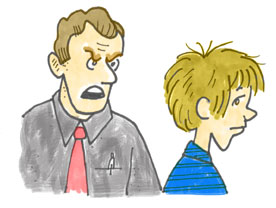 How can I discipline my children without hitting, yelling or any negative attitudes towards them even when they misbehave or don't want to listen to me?
Answer:
Hi. My name is Cheryl Erwin and I am one of the co-authors of the "Positive Discipline" series. I am also a marriage and family therapist who works with families and children. It isn't hard to hear the frustration and confusion in your question, as well as your desire to parent your children in ways that are both loving and effective.
It's probably impossible not to have any "negative attitudes" towards children, who have a gift for pushing buttons and being annoying at times. But what you feel can—and often should—be different from what you actually do. As a parent, you will often feel irritated, angry, hurt, confused, and annoyed, but the most effective actions are those that are kind and firm at the same time.
Hitting, spanking, and yelling are punishments, actions that most parents feel uncomfortable doing but think they don't have an alternative. I think what you're searching for are ways to discipline your children so that they learn responsibility, cooperation, kindness, and respect.
"Discipline" means "to teach," and it usually works best when it happens consistently, all day long.
Effective Discipline Without Hitting or Yelling
You can begin by deciding what you want your children to learn, and the skills and character qualities you want them to have. You need to consider their age and developmental abilities, as well as their individual temperaments. Positive Discipline Parenting Tools usually work best when they're set up in advance, so you need to be able to think ahead.
You don't say how old your children are, but there are a number of Positive Discipline books tailored to specific ages (Positive Discipline: The First Three Years; Positive Discipline for Preschoolers; and Positive Discipline for Teenagers are examples). You can learn more by reading these books; even better is to find a good parenting class near you and to sit in. You might check the Parenting Classes page to see if any classes or workshops are being offered near you.
It's always a good thing to want to learn more as a parent. Children are never "bad". A misbehaving child is a discouraged child. All of our books explain this much more thoroughly. And you might enjoy the article on the website about why children don't listen. You and your children will both benefit from your desire to do the best job you possibly can.
Best,
Cheryl Erwin, MA, MFT Certified Positive Discipline Associate

Comments
8 year old attitude
I have an 8 year old that has a bad temper and very smart mouth. He loves to talk back and when you catch him in a lie or ask him about something that his teach says he is doing, he never wants to take responsibility for his actions. He tells me no or i dont want to. He gets mad and stomps, crys, throws things, or slams doors. He says "why cant you leave me alone" or " im not doing anything to you". My fiancee (his father) and I try and talk to him in a normal calm tone of voice but he does not like to listen. He is a challenge. We just gave birth to a now 3 month old baby girl and our son loves her and is calm around her but as soon as she is sleeping or is not in the room he goes off. We spend time with him and do one on one things with him but are not understanding how to discipline him in the right way.